Compression Wear for Work, Home and Leisure: Comfort Tips for Everyday Leg Support
Share
If your workday keeps you on your feet or seated for hours, your legs may feel heavy, tired, or stiff by the end of the day. Compression wear is one option many people use to support leg comfort during work, travel, exercise, and daily routines.
This guide explains what compression garments are, when they may be helpful, and how to choose a style that fits your lifestyle. It also shares simple habits that can make a difference alongside compression.
Why long hours can leave your legs feeling tired
Standing all day, sitting at a desk, or switching between both can make it harder for blood to move efficiently through the legs. Some people notice swelling, aching, or a sense of heaviness after a long shift, a flight, or a busy day running errands.
That does not always mean something is wrong, but it does mean your routine may be asking a lot from your lower body. Small changes can help, and compression wear may be one useful part of the picture.
How compression wear is commonly used
Compression garments apply graduated pressure to the legs, which is why many people wear them for everyday comfort, travel days, recovery after activity, or jobs that involve long periods of standing or sitting. They are often chosen by people who want more support during demanding routines without changing their wardrobe completely.
For best results, the style and level of compression should match your needs. If you are unsure, a healthcare professional, pharmacist, or trained fitter can help you decide what is appropriate for your situation.
Choose a style that fits your day
The best compression option is usually the one you will actually wear consistently. Some people prefer socks for work or sports. Others want stockings or stronger leg coverage for travel, standing shifts, or daily wear.
Think about when you need support most:
- Work: useful for long days on your feet or at a desk
- Travel: helpful on flights or car rides where movement is limited
- Recovery: often worn after exercise or active days
- Everyday wear: a practical choice if leg fatigue is common
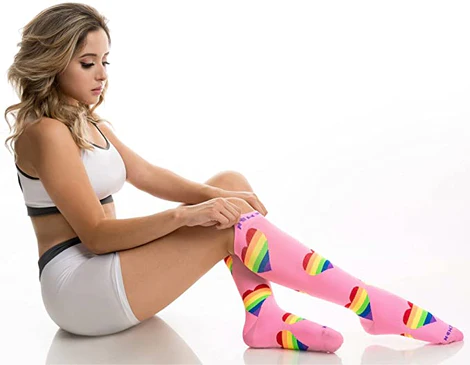
Find everyday styles designed for work, travel, and active routines.
Browse compression socks if you want a simple starting point for leg support.
Simple habits that support healthier legs
Compression wear works best as part of a broader routine. These small habits can help reduce the strain of long sitting or standing:
- Move often: take short walks, use the stairs, or stand up every so often.
- Raise your legs: when resting at home, elevate your legs to help reduce pressure.
- Stay cool: overheating can make some people feel more swollen or uncomfortable.
- Keep active: even light exercise like walking, cycling, or stretching can help.
- Maintain a healthy weight: it may reduce extra strain on the legs.
- Avoid smoking: smoking affects overall circulation and wellness.
If you want more everyday habit ideas, see our guide on leg comfort tips for everyday routines.
Quick leg exercises you can do almost anywhere
If you sit for long periods, brief movement breaks can help your legs feel less stiff. Try these simple exercises during the day:
- Heel raises: stand behind a chair and slowly rise onto your toes, then lower.
- Ankle circles: sit and rotate each foot in both directions.
- Foot pumps: flex and point your feet to keep them moving.
- Seated marches: lift each knee gently while seated.
These are not a substitute for medical care, but they can be a practical addition to a healthy routine.
A helpful option when you want more coverage for workdays, travel, or extended wear.
View compression stockings to compare styles and find the right fit for your needs.
When to consider getting advice
It is a good idea to speak with a healthcare professional if leg discomfort is persistent, one-sided, or accompanied by swelling, skin changes, or numbness. You should also ask for guidance before choosing compression if you have a medical condition or are unsure about the right level of support.
Compression wear can be a helpful tool, but it works best when it is chosen with your specific needs in mind.
FAQ
Who might benefit from compression wear?
People who stand or sit for long periods, travel often, exercise regularly, or want more day-to-day leg support may find compression wear useful.
Should I wear compression socks all day?
That depends on your comfort, your routine, and any guidance from a healthcare professional. Many people wear them during work, travel, or activity rather than around the clock.
What is the difference between socks and stockings?
Compression socks are often a simpler everyday choice, while stockings may offer more coverage. The right option depends on where you want support and how you plan to wear them.
Can compression wear replace exercise or medical care?
No. Compression wear is best used alongside movement, healthy habits, and professional advice when needed.
Compression garments can be a smart part of everyday comfort when your routine demands a lot from your legs. Choose a style that suits your day, keep moving when you can, and use our collection hubs to compare options with confidence.