
What Damage Can Weight Lifting Do to an Athlete’s Body? Common Risks, Causes, and How to Reduce Injury
Weight lifting can make athletes stronger, faster, and more resilient, but it can also cause injury when training loads, technique, or recovery are not managed well. The biggest risks usually involve the lower back, wrists, elbows, and shoulders, especially during heavy compound lifts or repeated explosive movements.
If you want the benefits of strength training without unnecessary strain, the key is simple: use correct form, progress gradually, warm up properly, and choose supportive gear when it helps you keep better control of the lift.
Common ways weight lifting can strain the body
Most lifting injuries do not happen because lifting is “bad.” They usually happen when the body is asked to do more than it can safely handle at that moment. Common causes include:
- Too much weight too soon — sudden jumps in load can overload muscles and joints.
- Poor technique — rounding the back, flaring the elbows, or overextending the shoulders can place stress on vulnerable areas.
- Insufficient recovery — training sore or fatigued muscles repeatedly raises the chance of overuse problems.
- Limited mobility or stability — weak core control, tight hips, or unstable shoulders can make the lift less safe.
Body areas that are often affected
Lower back
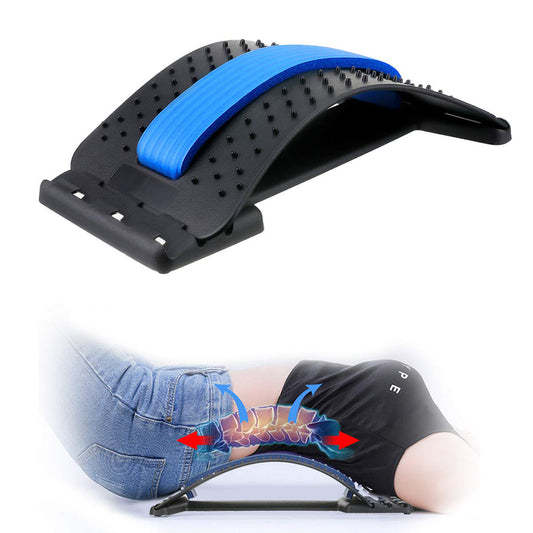
The lower back works hard to stabilize the body in squats, deadlifts, cleans, and other loaded movements. If the spine is repeatedly rounded, twisted, or compressed under heavy weight, athletes may develop pain, muscle strain, or disc-related irritation. Learning to brace the core and keep a neutral spine is essential.
Wrist and hand
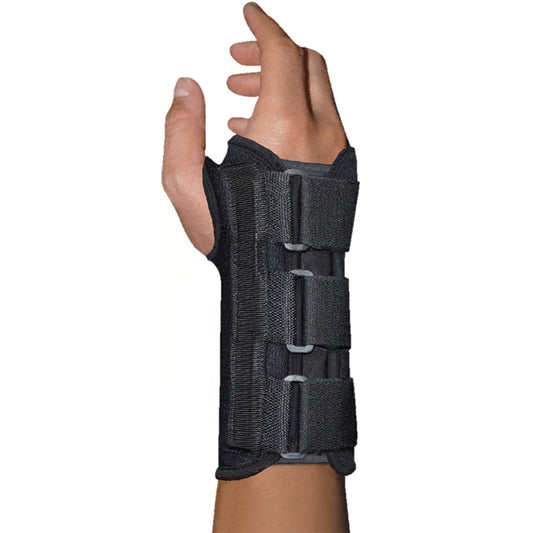
Wrist discomfort often appears when gripping heavy bars, catching cleans, or pressing overhead with poor wrist alignment. Repeated stress can lead to soreness, stiffness, or irritation in the joint and surrounding tissues.
Elbow
Elbows can become irritated when pressing, pulling, or locking out heavy loads too often. Over time, repetitive strain may cause tendon irritation or pain during gripping and extension movements.
Shoulder
The shoulder is highly mobile, which also makes it easier to overload. Pressing, snatching, jerking, and overhead work can cause pain when mobility, scapular control, or load management is poor. Athletes may notice discomfort during raising, pressing, or reaching movements.
Warning signs athletes should not ignore
Some soreness after training is normal, but these signs may mean the body needs rest or a professional evaluation:
- Sharp or sudden pain during a lift
- Swelling or bruising
- Loss of range of motion
- Weakness or instability in a joint
- Pain that keeps getting worse instead of improving
If pain changes your movement pattern, stop the exercise and assess what may be causing the issue before training again.
How to reduce injury risk while lifting
Safe lifting is not about avoiding effort. It is about making the effort manageable for your body. These habits help reduce unnecessary damage:
- Warm up first with light cardio, dynamic movement, and specific ramp-up sets.
- Use controlled technique instead of rushing reps.
- Increase weight gradually and avoid frequent max-effort attempts.
- Train the supporting muscles such as the core, upper back, hips, and rotator cuff.
- Rest when needed so sore tissues can recover.
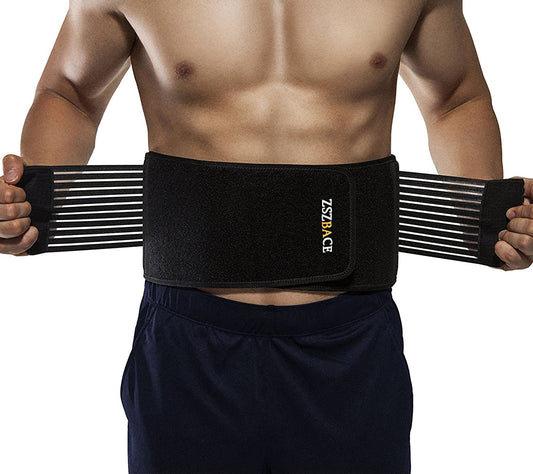
For athletes who need extra support around the midsection during heavy sessions, a stable lifting belt can be helpful when used correctly. You can browse our Weight Lifting Belt collection for options that may support bracing during heavy lifts.

Weight Lifting Belt collection
A helpful next step if you want more support for bracing during heavier lifts.
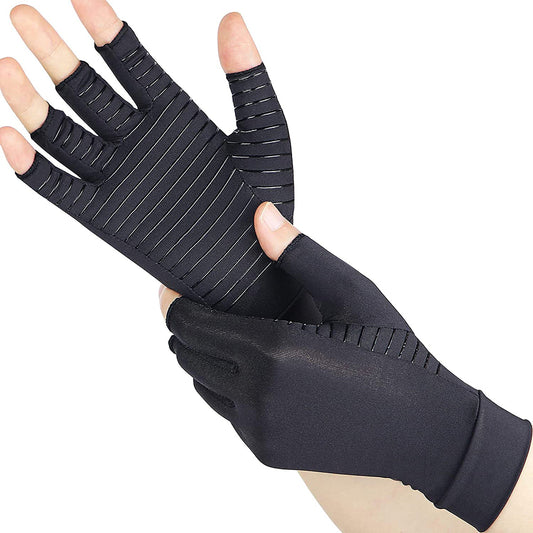
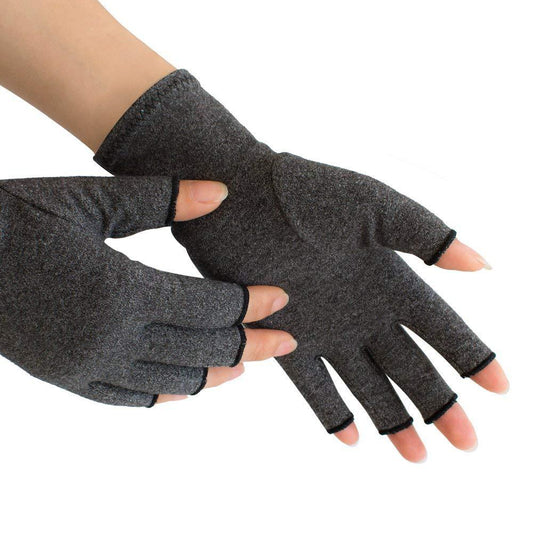
If your training also includes compression-based support for recovery or fit, you may also want to look at our Weightlifting Compression collection as another supportive option.
Choosing support gear wisely
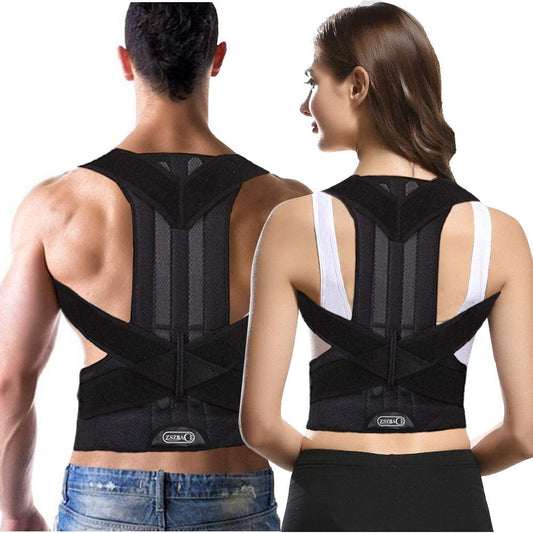
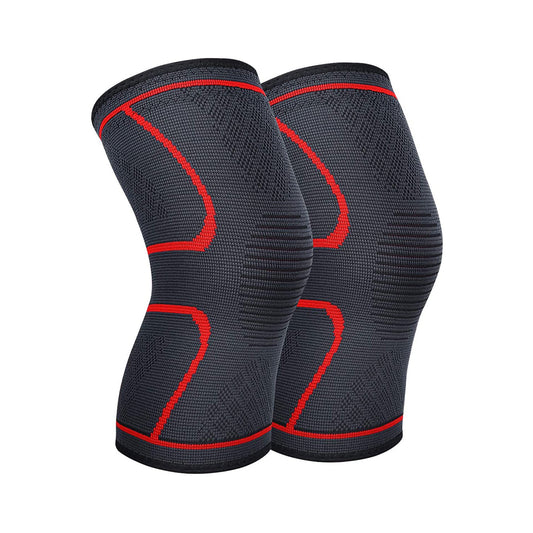
Support gear should assist good mechanics, not replace them. A belt, sleeve, or compression item may help you feel more stable, but it will not fix poor form or overload. The best choice depends on the movement, your training volume, and where you feel the most strain.
As a rule, use gear as one part of a safer training plan: solid technique, sensible programming, and enough recovery time.
Related reading
If you want to improve strength while protecting your body, these guides may also help:
- Understanding the risks of weight lifting for athletes
- How to think about lifting-related pain and strain
FAQ
Can weight lifting damage your back?
It can if the load is too heavy, the technique is poor, or the spine is repeatedly placed under stress without enough recovery. Proper bracing, form, and gradual progression help lower the risk.
Why do my wrists hurt after lifting?
Wrist pain can come from poor bar positioning, excessive load, repeated catching movements, or limited wrist mobility. Adjusting technique and reducing strain often helps.
Is shoulder pain normal after lifting?
Minor muscle soreness can be normal, but joint pain, pinching, or pain that lasts is not something to ignore. It may indicate that the shoulder is being overloaded or moved poorly.
How can athletes lift more safely?
Use good form, warm up properly, increase weight gradually, and pay attention to recovery. Supportive gear can help in some situations, but it should not replace training fundamentals.
Weight lifting can be an excellent part of athletic training when it is done with care. The goal is not just to get stronger, but to stay healthy enough to keep training consistently.