How Long Should You Wear a Shoulder Brace? Uses, Benefits, and Safety Tips
If you are wondering how long you should wear a shoulder brace, the short answer is: it depends on the reason you are wearing it. Some people use a shoulder brace for short periods during activity, while others wear one more regularly during recovery. The right schedule depends on your injury, pain level, activity demands, and whether your goal is compression, support, or partial immobilization.
In general, a shoulder brace is used to support the joint, reduce strain, limit certain movements, and improve comfort while the shoulder settles down. It can be helpful for rotator cuff irritation, overuse, mild instability, tendonitis, and post-activity soreness. But wearing it too long, too tightly, or as a substitute for proper evaluation can create new problems.
This guide explains when a shoulder brace may help, how long people often wear one, how to put it on correctly, and what mistakes to avoid. If you want a broader overview of shoulder support options, see our ultimate guide to shoulder support.
Do shoulder braces work?
For many people, yes—a shoulder brace can be useful when it matches the problem you are trying to manage. A brace does not “fix” every shoulder condition by itself, but it can help in practical ways:
- Compression: gentle pressure may help the area feel more supported and may reduce day-to-day discomfort.
- Movement awareness: a brace can remind you not to overreach, lift awkwardly, or move into painful positions.
- Stability: wrap-style support can make the shoulder feel more secure during light activity.
- Protection during recovery: it can reduce irritation while you ease back into work, exercise, or normal daily tasks.
That is why people often search for whether shoulder braces or shoulder compression sleeves work. In many cases they do help, especially when used as part of a bigger recovery plan that may include rest, activity changes, and rehab exercises. If you want to compare more general advantages, read about the benefits of shoulder braces for shoulder pain.
How long should you wear a shoulder brace?
There is no one schedule that fits everyone. The safest answer is to follow your clinician's instructions if you have been diagnosed with a specific injury. But in everyday use, the timeline often looks like this:
- During painful activity: wear it for tasks that usually aggravate your shoulder, such as light exercise, desk work, driving, or repetitive arm movement.
- During short recovery periods: some people wear a brace for a few hours at a time during flare-ups.
- During post-injury support: others may wear it more consistently for days or weeks, depending on their recovery plan.
The key point is this: a shoulder brace is usually most helpful when worn purposefully, not endlessly. If your shoulder feels worse, becomes stiff, or you rely on the brace for every movement without improvement, it may be time to reassess.
Good reasons to limit wear time
- Your skin gets irritated or overheated.
- The brace leaves deep marks because it is too tight.
- Your arm feels numb or tingly.
- Your shoulder feels weaker or stiffer because you are avoiding all movement.
If you are recovering from surgery, a dislocation, or a significant tear, do not guess on wear time—follow medical guidance.
When should you wear a shoulder brace?
A shoulder brace may be useful when you need support without completely stopping all activity. Common situations include:
- After a mild strain from sports or exercise
- During tendonitis or overuse flare-ups
- When returning to activity after a shoulder setback
- For added support during repetitive work
- For light compression when the shoulder feels unstable or fatigued
Some people also use a brace as a reminder to improve posture and reduce shoulder rounding. If that is your goal, you may want to browse shoulder-specific support options in this shoulder support brace collection.
What is a shoulder brace used for?
Shoulder braces are commonly used for support around the shoulder joint and upper arm. Depending on the design, they may help with:
- General shoulder pain
- Rotator cuff irritation
- Tendonitis
- Mild strains and sprains
- Activity-related discomfort
- Recovery support after injury
- Everyday stability during movement
Some braces focus more on compression and comfort, while others are better for restricting movement. That is why choosing the right style matters just as much as deciding whether to wear one.
How to wear a shoulder brace correctly
If you are searching for how to wear a shoulder brace or how to use shoulder support, proper fit is one of the biggest factors in whether it feels helpful.
- Start with a relaxed shoulder position. Do not tighten the brace while shrugging or twisting.
- Place the main support panel over the affected shoulder. Make sure it sits smoothly without bunching.
- Secure the chest or arm strap gradually. The brace should feel snug, not restrictive.
- Check circulation and comfort. You should still be able to breathe comfortably and move your elbow and hand normally.
- Test a few normal movements. The brace should support you, not dig into the neck or slide around constantly.
A common mistake is over-tightening the strap in hopes of getting more relief. Usually that just causes discomfort, skin irritation, or pressure without improving support.

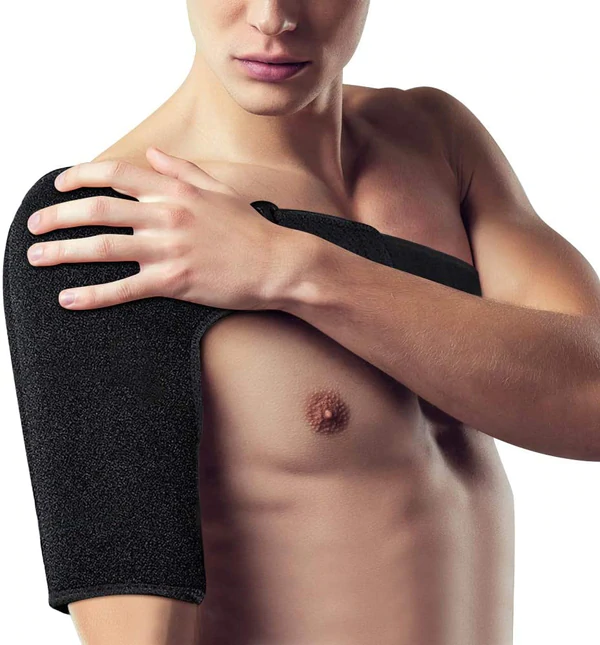
Adjustable Shoulder Brace
Compression shoulder support wrap for injury recovery and tendonitis relief.
Why it may help: A wrap-style brace like this can make more sense when you want adjustable compression and everyday shoulder support rather than a bulky immobilizer.
Shoulder brace benefits
When used appropriately, a shoulder brace may offer several practical benefits:
- Added support during daily movement
- Better comfort during mild flare-ups
- Less strain during repetitive activity
- More confidence returning to sports or exercise
- A reminder to avoid movements that keep irritating the shoulder
These benefits are most noticeable when the brace matches your goal. For example, a compression sleeve-style brace may be more useful for activity support, while a more restrictive support may be used when motion needs to be reduced.
Common shoulder problems that may lead people to use a brace
A shoulder brace is not a diagnosis, but people commonly consider one when dealing with symptoms related to:
- Rotator cuff irritation or strain – often causes pain with lifting or reaching overhead.
- Tendonitis – commonly linked to overuse and repetitive motion.
- Mild instability – the shoulder may feel weak, loose, or unreliable.
- AC joint irritation – discomfort may appear at the top of the shoulder.
- Arthritic discomfort – support and warmth may improve comfort during activity.
- Post-activity soreness – especially after sports, gym sessions, or physical work.
If your pain started after a fall, sudden pull, visible deformity, or major loss of motion, get medical attention rather than trying to self-manage with a brace alone.
Mistakes to avoid when wearing a shoulder brace
- Wearing it too tightly: support should feel firm, not constricting.
- Using it all day without breaks: long continuous wear may create stiffness or skin irritation.
- Skipping movement completely: total rest is not always the answer unless a clinician tells you otherwise.
- Choosing the wrong brace type: compression support and immobilization are not the same thing.
- Ignoring worsening symptoms: increasing pain, numbness, swelling, or weakness should not be brushed off.
How to choose the right shoulder brace
Choose a brace based on what you actually need help with:
- For light support and compression: look for an adjustable wrap or sleeve-style brace.
- For everyday wear: prioritize comfort, adjustability, and a low-profile fit under clothing.
- For sports or movement-based use: choose a brace that stays secure without overly restricting your range.
- For more serious injuries: ask a medical professional whether you need more structured support.
If you want to compare several options before choosing, explore the shoulder brace collection for different support styles and fits.

Shoulder Compression Sleeve Wrap
Adjustable shoulder compression wrap for everyday support and recovery.
Why it may help: This style is relevant for readers looking for a simpler compression wrap for daily comfort, light activity, and general shoulder support.
What else can help besides a shoulder brace?
A brace often works best as one part of a larger recovery plan. Depending on the cause of your symptoms, that may include:
- Short-term activity modification
- Ice or heat based on comfort and professional advice
- Gentle mobility work
- Strengthening and physical therapy exercises
- Better workstation or training habits
If you still have questions about fit, daily use, and common support concerns, our shoulder support FAQ guide is a useful next read.
Final takeaway
A shoulder brace can be helpful, but the best wear time depends on why you need it. Use it to support recovery, reduce strain, and improve comfort during the times you need it most—not as a permanent substitute for treatment or movement. If symptoms are severe, persistent, or tied to a major injury, get professional advice before relying on a brace alone.
If you are ready to compare support options, browse our shoulder support brace collection to find a style that matches your activity level and comfort needs.
FAQ
How long should you wear a shoulder brace for?
It depends on the reason for use. Some people wear a shoulder brace only during painful activities, while others use it more regularly during recovery. If you were given medical instructions, follow those first. In general, avoid wearing it so long or so tightly that it causes stiffness, skin irritation, numbness, or increased discomfort.
Do shoulder braces work for shoulder pain?
They can help with support, compression, and movement awareness, especially for mild strains, overuse, tendonitis, and activity-related discomfort. A brace is usually most effective when paired with sensible activity changes and, when needed, rehab guidance.
What is a shoulder brace used for?
A shoulder brace is commonly used to provide support, compression, and mild stabilization around the shoulder joint and upper arm. People often use them for general shoulder pain, rotator cuff irritation, tendonitis, recovery support, and return to activity.
How do I know if my shoulder brace is too tight?
If you notice numbness, tingling, deep pressure marks, restricted breathing, hand color changes, or increasing discomfort, the brace is likely too tight. It should feel snug and supportive, not restrictive.
Can you sleep in a shoulder brace?
That depends on the type of brace and the reason you are wearing it. Some people are told to wear shoulder support at night, while others are more comfortable removing it. If you are unsure, read can you sleep with a shoulder strap? and follow medical advice for injury-specific situations.