What’s Causing Your Knee Pain? Common Reasons, Relief Tips, and When to Get Help
Knee pain can show up suddenly or build up over time. Sometimes it comes from simple overuse or stiffness; other times it may be linked to arthritis, pregnancy-related strain, an old injury, or another medical issue. The best next step is to pay attention to when the pain starts, where it hurts, and what makes it better or worse.
This guide breaks down common reasons for knee pain, how to ease discomfort safely, and when it’s time to get medical advice. If you’re looking for extra support during walking, training, or daily movement, a supportive brace or wrap may also be helpful.
Common reasons knee pain happens
Knee pain can come from many sources. Some are temporary and related to activity, while others may need a more careful treatment plan.
- Muscle tightness or cramps: Tight leg muscles can change how the knee moves and increase strain around the joint.
- Overuse from sports or work: Repeated running, jumping, kneeling, or lifting can irritate the tissues around the knee.
- Osteoarthritis: Wear and tear in the joint can lead to stiffness, swelling, and pain, especially with movement.
- Pregnancy-related changes: Extra body weight and changes in posture can place more pressure on the knees.
- Other medical conditions: In some cases, circulation issues or inflammation may also contribute to knee discomfort.
When knee pain is more likely from overuse
Overuse pain often develops gradually. You may notice it after a longer walk, a workout, a run, or a day of standing more than usual. It can feel like soreness, pressure, stiffness, or a dull ache around the front, sides, or back of the knee.
If the pain improves with rest, gentler movement, and short-term support, overuse may be part of the problem. If it keeps returning, the activity level, footwear, training routine, and recovery time may need to be adjusted.
What can help ease knee pain at home
For mild to moderate discomfort, these simple steps may help:
- Reduce strain temporarily: Lower high-impact activities for a few days if they make symptoms worse.
- Keep moving gently: Light walking or controlled movement can help avoid stiffness.
- Use cold or warm compresses: A cold compress may help after recent irritation, while warmth can feel better for stiffness.
- Rest strategically: Avoid pushing through pain, but don’t stay completely inactive for too long.
- Consider support: A knee brace or wrap may provide added confidence during activity or recovery.
Choosing support: brace or wrap?
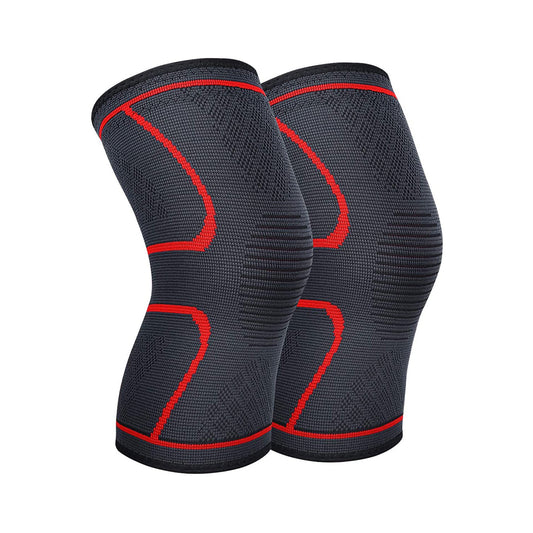
Some people prefer a brace when they want a more structured feel, while others prefer a wrap for lighter, more flexible support. The right choice depends on how much stability, compression, and comfort you want during movement.
If you’re comparing support options, browse our knee brace collection to find options that fit different activity needs.

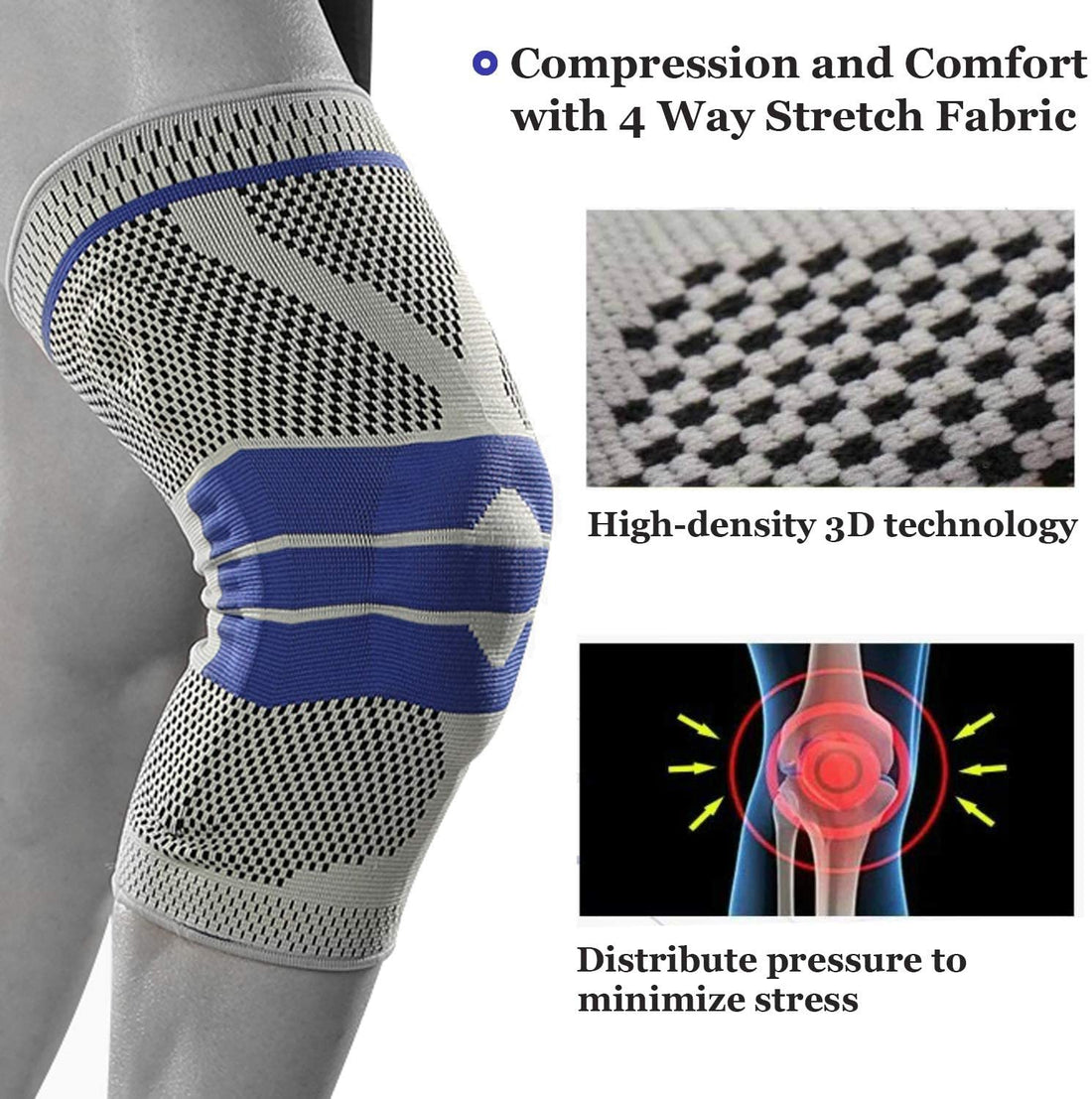
Professional Knee Brace Double Silicone Protection
A supportive option for readers who want extra knee stability during walking, training, or everyday movement.
Why it may help: It can be a practical next step if you want added support while managing mild knee discomfort.
When to get medical help
Seek medical advice if knee pain is severe, keeps getting worse, follows an injury, or comes with swelling, instability, numbness, fever, or trouble bearing weight. If the pain is linked to pregnancy, circulation concerns, or a long-term condition, a clinician can help you understand the cause and the safest treatment plan.
Do not ignore pain that changes your walking pattern or keeps you from normal daily activity.
How to reduce the chance of knee pain returning
- Warm up before exercise.
- Increase activity gradually instead of all at once.
- Use supportive shoes for walking or training.
- Strengthen the muscles around the hips and legs.
- Take recovery days seriously, especially after harder workouts.
FAQ
Why does my knee hurt when I walk?
Knee pain while walking can be related to overuse, stiffness, muscle imbalance, footwear, or joint irritation. If it keeps happening, it’s worth reviewing your activity level and support needs.
Should I rest or keep moving when my knee hurts?
Gentle movement is often better than complete rest for mild soreness, but avoid activities that clearly increase pain. Short walks and light movement may help, while high-impact exercise may need a break.
Can a knee brace help with pain?
A knee brace may help some people feel more supported during movement. It is not a cure, but it can be a useful part of a broader comfort and recovery plan.
When should I see a doctor about knee pain?
See a doctor if pain is severe, persistent, worsening, or paired with swelling, instability, or difficulty walking.
If you want to explore related support products, start with our knee brace collection.