When to Wear an Ankle Brace: A Practical Guide for Support, Recovery, and Sports
If your ankle feels weak, sore, or keeps rolling during activity, an ankle brace may help provide extra support. The right brace can be useful after a sprain, during sports, while returning to activity, or when you need more stability for daily movement.
This guide explains when to wear an ankle brace, what it can and cannot do, and how to choose a brace that matches your activity and support needs.
When should you wear an ankle brace?
In general, an ankle brace is worth considering when you need added stability or motion control around the ankle. Common situations include:
- After an ankle sprain: A brace may help support the ankle while you recover and return to normal movement.
- During sports: Activities with jumping, quick direction changes, or side-to-side movement can place extra stress on the ankle.
- For recurring ankle instability: If your ankle often feels weak, gives way, or rolls easily, a brace can add confidence during movement.
- During return-to-activity phases: Some people wear a brace while easing back into exercise after time off.
- For certain daily activities: Walking, standing for long periods, or uneven ground can feel better with added support.
If you have severe pain, major swelling, deformity, or trouble bearing weight, get medical advice promptly rather than relying on a brace alone.
What an ankle brace does
An ankle brace acts as an external support. It can help limit unwanted motion, remind you to move more carefully, and provide a more stable feel during activity. That can be especially helpful if you are managing ankle instability or protecting a recently irritated ankle.
It is also important to remember that a brace is not a cure. It is one part of recovery and support, and it works best alongside rest, rehabilitation, and guidance from a healthcare professional when needed.
How to choose the right level of support
Different braces are made for different needs. Choosing the right one depends on your activity level, how much support you want, and whether you are using it for prevention or recovery.
- Light support: Often preferred for mild discomfort, light activity, or general awareness of ankle positioning.
- Moderate support: Useful for sports, recurring instability, or when you want a balance of support and mobility.
- Higher support: Better suited for more serious support needs or when more motion control is important.
If you are unsure which style is right for you, start by matching the brace to the activity and the level of support recommended by your clinician or trainer.

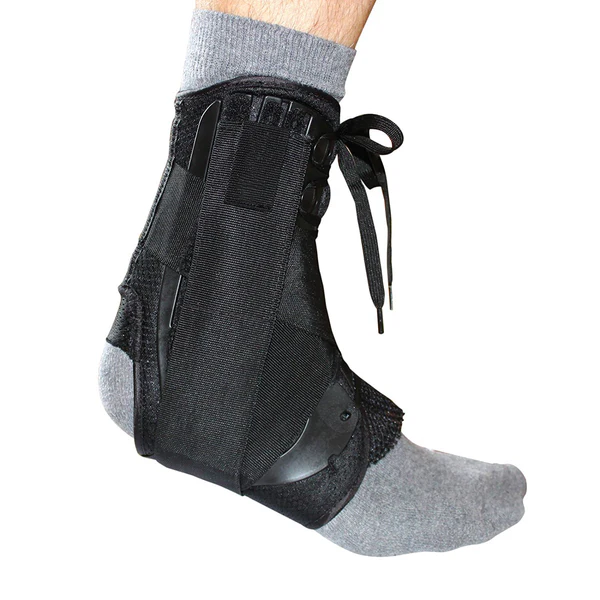
Lace-Up Ankle Brace
A supportive option for people looking for more structured ankle support during activity or recovery.
Why it may help: A lace-up design is often useful when you want a snug, adjustable fit for everyday wear or sports.
When not to wear an ankle brace
An ankle brace is not always the right answer. You may want to avoid self-managing with a brace alone if:
- pain is getting worse instead of better
- you cannot put weight on the foot
- there is major swelling, bruising, or deformity
- your symptoms keep returning without improvement
In those cases, professional evaluation is the safer next step.
How to wear an ankle brace correctly
For the brace to feel helpful, it should fit securely and work with your shoe and activity level. A brace that is too loose may slide around, while one that is too tight may feel uncomfortable or restrict movement too much.
- Wear it during the activity or situation where you need support most.
- Make sure it fits comfortably inside your shoe if you plan to walk or train in it.
- Follow any instructions you were given after an injury or surgery.
- Stop and adjust if you feel numbness, pinching, or unusual discomfort.
If you are recovering from an injury, your brace should support your rehabilitation plan, not replace it.
Helpful next step: browse ankle support options
If you are comparing support styles for sports, recovery, or daily stability, the best next step is to explore the full range of options in our ankle brace collection. That makes it easier to compare support levels and find a brace that fits your routine.
You may also find it helpful to read how to choose an ankle brace for a more detailed breakdown of fit and support features, or ankle sprain recovery tips if you are currently healing from an injury.
FAQ
Should I wear an ankle brace for sports?
Many people wear an ankle brace for sports that involve jumping, cutting, or fast changes in direction. It may be especially helpful if you have a history of ankle instability or prior sprains.
Can I wear an ankle brace all day?
Some people wear a brace for extended periods, but the right duration depends on your comfort, activity level, and recovery needs. If you have been told to wear one by a clinician, follow that guidance.
Should I wear an ankle brace while sleeping?
That depends on the reason for use and the advice you have received. In many cases, ankle braces are used during movement and activity rather than overnight, unless a healthcare professional recommends otherwise.
Do ankle braces help with pain?
An ankle brace may help some people feel more stable and supported, which can make activity more comfortable. However, if pain is persistent or severe, it is important to find the underlying cause.
When should I stop wearing the brace?
That depends on your recovery and activity goals. If your ankle feels stronger and more stable, you may gradually reduce use. If symptoms return, it may be time to reassess support and medical guidance.
Choosing when to wear an ankle brace comes down to one question: do you need extra support, stability, or motion control for a specific activity or recovery stage? If the answer is yes, the right brace can be a practical tool for staying active with more confidence.