Why Wear Tennis Elbow Pads? Benefits, When to Use Them, and How to Choose One
If you’re wondering why wear tennis elbow pads, the short answer is simple: they can help make daily movement, sports, and repetitive tasks feel more manageable by adding support to the forearm and elbow area.
People often use tennis elbow pads, straps, or sleeves when they feel discomfort from racquet sports, lifting, typing, manual work, or other repeated arm motions. They are not a cure, but they can be a practical part of a support routine alongside rest, activity changes, and guidance from a healthcare professional when needed.
What a tennis elbow pad is meant to do
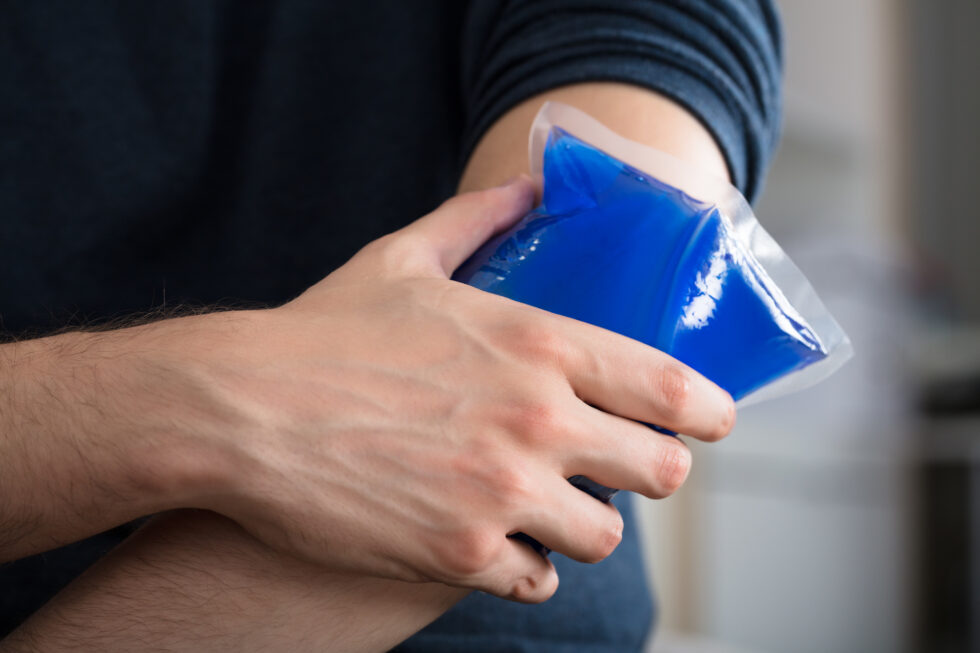
A tennis elbow pad usually works by applying gentle compression or support around the forearm, which may help reduce strain during movement. Some designs are straps worn below the elbow, while others are sleeves or wrap-style braces that cover more of the arm.
The main goal is usually comfort and support. Depending on the design, a brace may also help some people feel more stable when gripping, lifting, or repeating the same motion again and again.
When people usually wear one
- During sports: For tennis, golf, gym training, or other activities that use the forearm a lot.
- At work: For jobs that involve lifting, gripping, tools, or repetitive motion.
- During recovery: When a clinician has suggested support while symptoms settle down.
- For daily comfort: When certain chores or movements tend to trigger discomfort.
If you are comparing support styles, our elbow support optimal relief protection collection is a helpful next step for seeing different brace and compression options in one place.
Do elbow straps help tennis elbow?
For many people, elbow straps can help by changing how pressure is felt during movement and by adding support below the painful area. That is why they are often used for activities that involve gripping, lifting, or wrist extension.
They may be especially useful if you want something lightweight and easy to wear during activity. If you need broader coverage or a more secure wrap, a sleeve or adjustable brace may feel better.
Strap, sleeve, or wrap: which type fits your routine?
There are a few common formats, and the best one depends on when you plan to wear it.
1. Elbow strap
An elbow strap is typically worn just below the elbow. It is often compact, easy to adjust, and a good choice for sport or work when you want a low-profile option.
2. Compression sleeve
A compression sleeve covers more of the forearm and elbow area. Some people like the added warmth and fuller coverage it provides during daily wear or workouts.
3. Adjustable wrap-style brace
A wrap-style brace can offer a more customized fit. This is useful if you want to fine-tune compression or if your support needs change throughout the day.

Elbow Compression Strap
2-pack adjustable elbow compression straps for tendonitis, tennis elbow, and golf elbow support.
Why it fits this topic: It’s a practical example of the kind of support many people look for when they want a simple strap for sports or repetitive tasks.

Elbow Compression Sleeve
Compression elbow support for weightlifting, pain relief, and everyday arm protection.
Why it fits this topic: A sleeve can be a better fit if you want a bit more coverage and a snug, everyday-support feel.
How to choose the right elbow support
When choosing an elbow pad or brace, focus less on the label and more on how you plan to use it.
- For sports: A strap or lightweight compression support may be enough.
- For work: A more adjustable brace may feel better for long wear.
- For all-day comfort: A sleeve can offer consistent compression and coverage.
- For a custom fit: Look for adjustable wrap-style support.
You should also check the size, comfort, breathability, and whether the support stays in place during movement. A brace that is too tight or too loose can be distracting rather than helpful.
Common mistakes to avoid
- Wearing it too tightly: Support should feel secure, not restrictive.
- Using it instead of rest: A brace can help, but it should not replace recovery time when your arm is overworked.
- Choosing the wrong style: A strap, sleeve, and wrap each solve slightly different problems.
- Ignoring pain that keeps getting worse: If symptoms persist, a doctor or physical therapist can help you decide what to do next.
Can you wear a tennis elbow brace at night?
Some people ask whether they should wear a tennis elbow brace at night. It depends on the type of support, your comfort level, and what a healthcare professional recommends. In general, many braces are designed for daytime activity, while sleeping with one on may not feel comfortable for everyone.
If you want to read more about this, see our guide on can wear elbow pad sleeping.
When to see a professional
If elbow pain is persistent, severe, or getting worse, it’s a good idea to speak with a doctor or physical therapist. They can help determine whether the issue is truly tennis elbow or something else, and they can suggest the best support and activity changes for your situation.
For a broader look at shopping options, the elbow support enhance daily comfort collection is a useful place to compare different styles for daily wear and recovery.
Related reading
- how wear tennis elbow brace
- why are elbow pad popular
- should elbow pad used
- common weightlifting mistakes cause tennis elbow
FAQ
Do tennis elbow braces work?
They can help many people feel more supported during activity, especially when the elbow pain is linked to repeated motion. Results depend on the style of brace, how it fits, and what is causing the discomfort.
How does a tennis elbow brace work?
Most braces work by adding compression or changing how force is felt through the forearm during movement. Some also help limit strain by supporting the joint and surrounding muscles.
Should I wear a tennis elbow brace at night?
Only if it feels comfortable and a healthcare professional says it makes sense for your situation. Many people use braces during the day when they are active rather than while sleeping.
Are there any contraindications to using elbow straps for tennis elbow?
Yes. If a brace feels too tight, causes numbness, increases pain, or seems to reduce circulation, stop using it and get medical advice. People with more serious or unusual symptoms should also check with a professional before relying on a brace.
In short, tennis elbow pads are worn to help support the arm, ease strain during activity, and make everyday movement more comfortable. The right choice depends on how much support you need and when you plan to wear it.