
7 Safe Tips for Back Pain Relief During Pregnancy
Back pain during pregnancy is common, but it does not have to take over your day. As your body changes, your center of gravity shifts, your posture may change, and the joints and ligaments around your pelvis can feel looser. The good news is that a few simple habits can often help reduce strain and make daily movement more comfortable.
Below are seven practical tips that may help ease pregnancy-related back pain, plus a few supportive products and next-step resources to explore if you need extra comfort.
1. Focus on posture throughout the day
When your belly grows, it is easy to lean back or sway through the lower spine to balance your weight. That can add stress to your back muscles. Try to stand tall, keep your shoulders relaxed, and avoid locking your knees. If you need to stand for long periods, rest one foot on a low step and switch sides often.
When sitting, choose a chair with good back support or place a small pillow behind your lower back. Small posture changes can make a noticeable difference over time.
2. Wear supportive shoes and consider gentle support
Footwear matters more than many people expect. Low-heeled shoes with stable arch support can help you feel more balanced and reduce strain from walking or standing. Very high heels can make balance worse, while completely flat shoes may not offer enough support for some people.
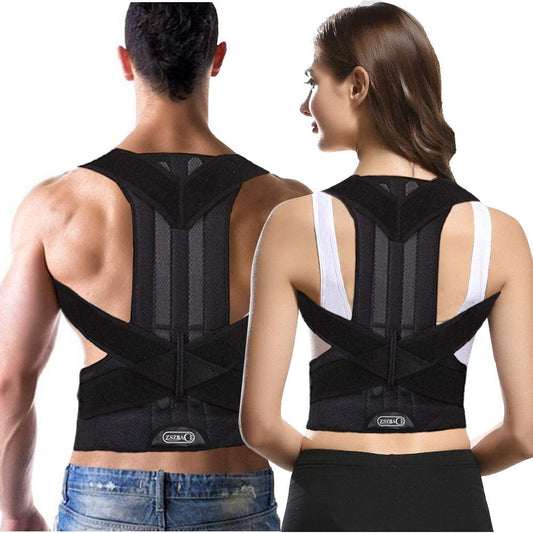
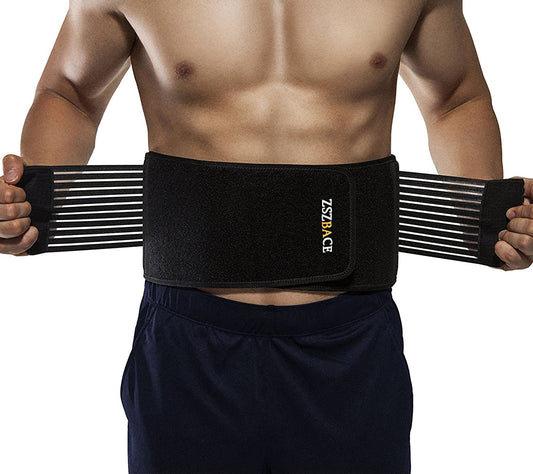
If your provider says it is okay, you may also want to look at supportive options designed for pregnancy comfort.

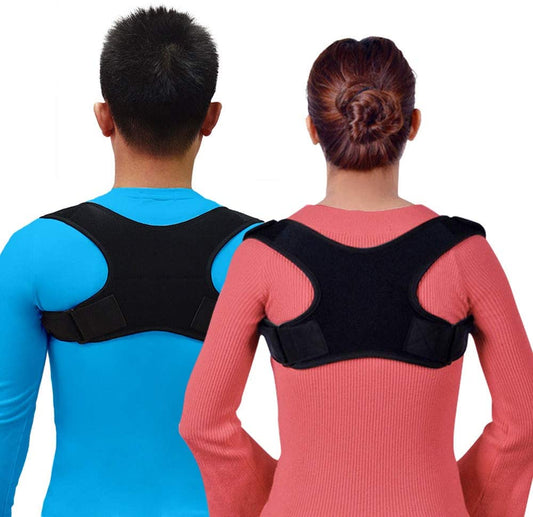
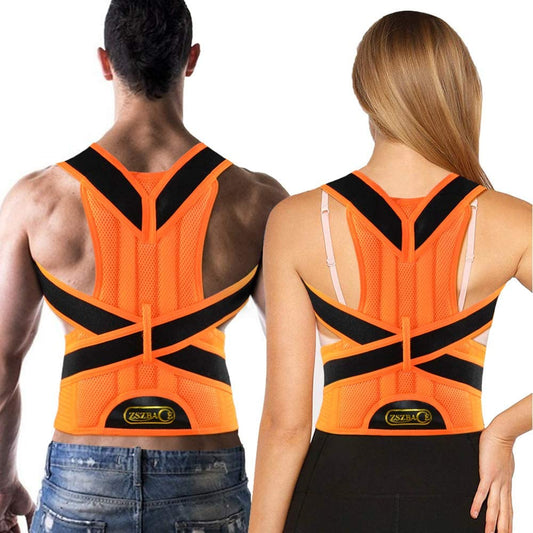
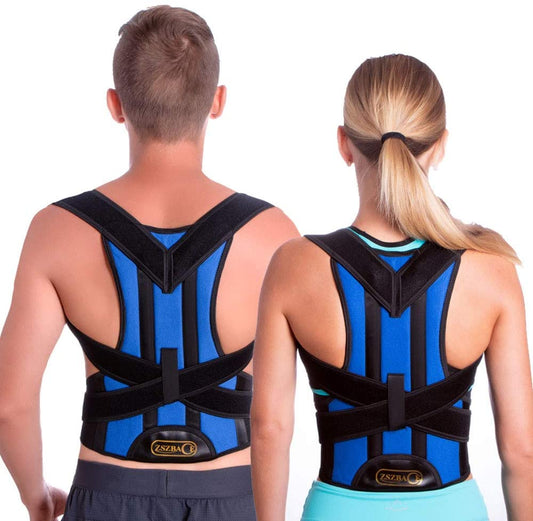
Maternity Support Belt
A simple support option for added comfort during everyday movement.
Why it may help: Some pregnant readers find a support belt helpful for a more supported feeling during standing, walking, or daily routines.
If you want to browse more comfort-focused options, visit our maternity support collection.
3. Lift carefully and ask for help when needed
Even small lifts can become uncomfortable during pregnancy. When picking up something from the floor, bend your knees, keep the item close to your body, and rise with your legs instead of bending at the waist. If something feels too heavy or awkward, ask for help rather than pushing through it.
4. Sleep on your side with support
Many pregnant people sleep more comfortably on their side rather than on their back. A pillow between the knees, under the belly, or behind the back can reduce pressure and help you stay in a more comfortable position through the night. If you wake up sore, check whether your sleep setup is contributing to the problem.
Pregnancy Support Pillow
Designed to make side sleeping and resting feel more supported.
Why it may help: A supportive pillow can make it easier to position your body comfortably at night and during rest.
5. Use heat, cold, or massage with care
A warm compress, ice pack, or gentle massage may help some people feel better for short periods of time. Use anything warm or cold in moderation, and always follow your provider’s guidance during pregnancy. If a method increases pain or discomfort, stop using it.
6. Keep moving with gentle activity
Long periods of sitting or standing can make stiffness worse. Gentle movement, such as walking or approved prenatal exercise, may help keep your back muscles from getting too tight. A physical therapist or other qualified health professional can also suggest stretches that are appropriate for your stage of pregnancy.
Be careful with any movement that causes sharp pain, dizziness, or pressure that feels unusual. If you are unsure what is safe, check with your health care provider first.
7. Ask about complementary therapies
Some pregnant people explore options such as acupuncture, chiropractic care, or other complementary therapies for comfort. Results vary, and these approaches are not right for everyone. If you are considering any therapy, talk with your provider first and make sure the practitioner knows you are pregnant.
When back pain needs medical attention
Back pain is often manageable, but there are times when you should call your health care provider. Seek medical advice promptly if the pain is severe, sudden, paired with fever, comes with bleeding, causes numbness or weakness, or makes it hard to walk or do normal activities.
Choosing support that fits your routine
The best comfort tools are the ones you can use consistently. Some readers need help with posture and lifting. Others need better sleep positioning or extra support when standing or walking. Start with the simplest change that matches your daily routine, then build from there.
If you are looking for a practical next step, our maternity support collection is a helpful place to compare comfort-focused options.
Frequently asked questions
Is back pain normal during pregnancy?
Yes, back pain is common during pregnancy because your body is changing quickly. Even so, it is still worth paying attention to, especially if the pain is severe or affects daily life.
What sleeping position is best for back pain during pregnancy?
Many people feel better sleeping on their side with pillows for support. This can reduce pressure on the lower back and hips.
Can a maternity support belt help?
Some people find a maternity support belt helpful for daily comfort, especially when standing or walking for longer periods. It is not a guaranteed fix, but it may be worth discussing with your provider.
When should I call my doctor about pregnancy back pain?
Call your health care provider if your pain is severe, sudden, or comes with symptoms like bleeding, fever, numbness, weakness, or trouble walking.
For more pregnancy comfort guidance, explore our pregnancy wellness article library and browse supportive options in the maternity support collection.