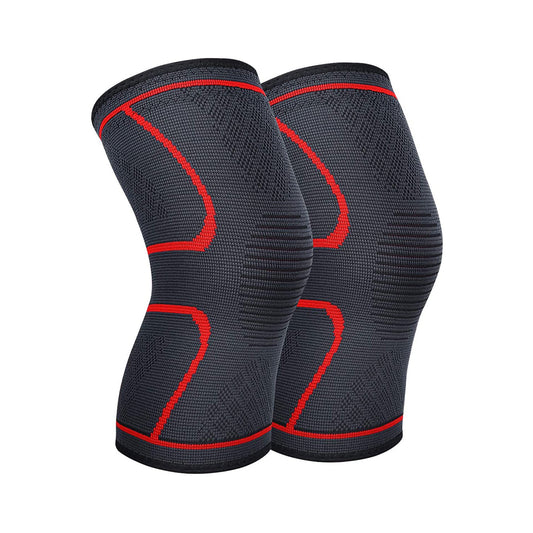

How to Properly Wear Knee Pads When Exercising
If you are wondering how to wear knee pads properly when exercising, the short answer is this: choose the right style for your activity, center the support over your knee joint, make sure it feels snug but not overly tight, and use it to support movement rather than replace good form.
Knee pads and knee braces can be helpful during workouts, running, squats, or everyday activity when you want more comfort, light stability, or a feeling of support. But wearing them the wrong way can lead to slipping, bunching, discomfort, or a false sense of security.
In this guide, we’ll cover how to put on knee pads, when to wear them during exercise, how to keep them in place, and how to choose the right support for your routine. If you want to compare different support styles first, you can also read the pros and cons of knee pads.
What are knee pads used for during exercise?
During exercise, knee pads, sleeves, and braces are commonly used to add support, compression, warmth, or a more secure feel around the knee. People often use them for:
- Squats and leg workouts
- Running or jogging
- Cross-training and general gym sessions
- Walking and everyday movement
- Cold-weather activity when knees feel stiff
They can be useful, but they are still only one part of knee care. Proper warm-up, gradual training progress, and solid movement mechanics matter just as much.
How to properly wear knee pads
The best way to wear knee pads depends on whether you are using a slip-on sleeve or an adjustable wrap-style brace, but the basics are similar.
For slip-on knee sleeves
- Start with clean, dry skin. Sweat, lotion, or fabric friction can make a sleeve slide down faster.
- Pull the sleeve up gradually. Do not yank it from the top. Work it evenly over the calf and up toward the knee.
- Center it over the knee joint. The main support zone should sit directly over the kneecap area.
- Smooth out folds and wrinkles. Creases can create pressure points and irritation during movement.
- Test your range of motion. Walk, bend, and do a bodyweight squat. The sleeve should feel supportive, not restrictive.
For adjustable knee braces or wrap-style supports
- Position the opening or support panel correctly. If the brace has an open patella design, the kneecap opening should align with your kneecap.
- Wrap the brace evenly. Avoid twisting the support as you fasten it.
- Tighten in stages. Secure the lower part first, then the upper straps if present.
- Aim for firm support, not maximum tightness. Too much compression can feel uncomfortable and may reduce freedom of movement.
- Check for slipping after a few minutes. Walk around and re-adjust before starting your workout.
For people who want a more adjustable fit than a pull-on sleeve, an adjustable knee brace can be a practical option because you can fine-tune the fit before and after training.

Adjustable Knee Brace with Spring Stabilizers & Gel Patella Pad
Adjustable knee support with spring stabilizers and a gel patella pad.
Why it may help: A wraparound design can be easier to position and tighten if you want a more customized fit for workouts or everyday movement.
Should knee pads go over or under pants?
For exercise, knee pads usually work best directly on the skin or over thin, fitted workout clothing. Thick or loose pants can make the support shift, bunch up, or feel less stable.
As a general rule:
- Over bare skin or fitted leggings: often better for stability and staying in place
- Over loose pants: usually less secure
- Under very tight pants: may feel bulky or uncomfortable depending on the support type
If your main concern is slipping, choose a well-fitted support and wear it over a thin layer rather than over thick fabric.
When should you wear knee pads for workouts?
You do not need knee pads for every exercise. Many upper-body movements, light mobility work, or low-stress activities may not require them at all.
Knee support is more commonly used when:
- You are doing squats, lunges, or other lower-body training
- You want added compression during running or repetitive movement
- Your knees feel better with warmth and light support
- You are returning to activity and want a more supported feel
It usually makes sense to match the support to the activity rather than wear it for every session all day long. If your main focus is gym training and active use, browsing a workout knee brace collection can help you compare styles built for exercise-oriented support.
How tight should knee pads feel?
A proper fit should feel secure, supportive, and comfortable enough to move naturally. The support should not pinch, roll, dig into the skin, or make your lower leg feel numb.
Signs the fit is probably too tight:
- Tingling or numbness
- Skin bulging heavily around the edges
- Sharp pressure behind the knee
- Restricted bending during squats or walking
Signs the fit is probably too loose:
- The support slides down quickly
- It rotates during movement
- It bunches behind the knee
- You do not feel any consistent support around the joint
How to keep knee pads in place
One of the most common questions people ask is how to keep knee pads from sliding down. Usually, slipping comes from a fit or placement problem rather than the product alone.
Try these tips:
- Choose the right size instead of sizing up for comfort
- Put them on before heavy sweating starts
- Center the support correctly over the joint
- Smooth out wrinkles before training
- Avoid wearing them over loose fabric
- Use adjustable supports if you need more control over fit
If slipping is your biggest issue during running, squats, or general training, a compression knee sleeve with a close athletic fit may be a better match than a bulky support.

Compression Knee Sleeve for Arthritis, Meniscus & Sports Support
Compression knee sleeves for arthritis pain relief, meniscus support, and sports stability.
Why it may help: A slip-on compression sleeve can be a good everyday option for people who want a simple, close-fitting layer for running, squats, and gym sessions.
Common mistakes to avoid
- Wearing the wrong type for the activity. A light sleeve and a more structured brace do different jobs.
- Putting it too low or too high. The knee joint should be centered in the support zone.
- Overtightening. More compression is not always better.
- Ignoring form. Knee pads support movement, but they do not replace proper technique.
- Using support as a long-term substitute for strength work. Building leg and hip strength still matters.
How to choose the right knee support for exercise
If you are not sure what kind of support to wear, start with your activity and the feel you want.
Choose a compression sleeve if:
- You want a simple pull-on design
- You prefer a streamlined fit under or over fitted workout clothing
- You want light to moderate everyday workout support
Choose an adjustable brace if:
- You want more customizable tightness
- You prefer easier on-and-off adjustment during the day
- You want a more structured feel around the kneecap area
Choose thicker training sleeves if:
- You mainly train with squats, lifting, or strength work
- You prefer a firmer, more compressive feel during lower-body workouts
If you are shopping mainly for everyday discomfort, recovery support, or a wider range of options, you can also explore knee pads for pain relief as a next step.
A few practical safety notes
Knee pads can make activity feel more comfortable, but ongoing pain, swelling, instability, or trouble bearing weight should not be ignored. If knee symptoms are persistent or getting worse, it is smart to get medical guidance. For runners deciding between different support styles, this related guide on patella straps or knee pads for running may also help.
FAQ
How do you put on knee pads correctly?
Place the support so the main padded or compression area lines up with the knee joint. Smooth out wrinkles, make sure the fit is snug, and test it by bending and walking before your workout.
How do I know if my knee pads are too tight?
If you feel numbness, tingling, pinching, or strong pressure behind the knee, they are probably too tight. A supportive fit should feel secure without limiting normal movement.
Can I wear knee pads for squats?
Yes, many people wear knee support for squats, especially during lower-body training. The key is choosing the right style and making sure it does not interfere with your form or depth.
How do I keep knee pads from sliding down?
Use the correct size, place them properly over the knee, avoid loose fabric underneath, and smooth out any bunching before training. Adjustable braces can help if you need a more customized fit.
Do I need knee pads for every workout?
No. Many exercises do not require knee support. They are most relevant when you want extra compression, warmth, or support during lower-body or repetitive knee-loading activities.
If you want to keep researching before you buy, you may also find how to choose knee pads for the elderly useful for fit and comfort considerations across different needs.