Are There Back Support Belts Designed for Athletes and Fitness Enthusiasts?
Yes, there are back support belts designed for athletes and fitness enthusiasts—but the best option depends on how you train and where you want support. A runner, lifter, boxer, and desk-bound gym-goer may all want “back support,” but they do not all need the same type of brace.
For active use, the most helpful back braces usually have three things in common: they stay secure during movement, offer an adjustable fit, and provide support without feeling overly bulky. That balance matters because a brace that shifts, pinches, or restricts movement is unlikely to get used consistently.
In this guide, we’ll break down what makes a back support belt athlete-friendly, who may benefit most, what mistakes to avoid, and how to choose between full-back posture support and more focused lumbar support.
What makes a back support belt good for workouts?
Not every brace is built for movement. For athletes and fitness enthusiasts, a good support belt should help you feel more stable without making training awkward.
Here are the features worth prioritizing:
- Adjustability: Multiple straps or pull-tabs make it easier to fine-tune compression and fit.
- Secure closure: A brace should stay in place during walking, light cardio, lifting, or gym circuits.
- Breathable construction: Workout gear gets hot fast, so airflow and lighter materials matter.
- Targeted support: Some braces focus on the lumbar area, while others support posture across the upper and mid back too.
- Low-profile comfort: If a brace feels too bulky under clothing or during exercise, many people stop wearing it.
If your main goal is training support for the lower back during exercise, lifting, or general gym use, browsing a dedicated back support belt collection can be a practical next step after reading.
When athletes and active people may use back support
Back support belts are often associated with injury recovery, but that is only part of the picture. Many active people look for a brace when they want extra support during specific activities or when certain movements tend to aggravate their back.
Common situations include:
- Strength training that puts repeated stress on the lower back
- Running or cardio sessions that create impact-related discomfort
- Boxing, circuit training, or functional workouts with frequent twisting and bracing
- Long workdays at a desk followed by exercise, when posture and fatigue carry into training
- A return to movement after time off, when support helps some people ease back into activity
For example, someone with rounded shoulders from desk work may prefer a posture-oriented brace, while someone focused on squats, lifting, or general lower back support may do better with a wraparound lumbar belt.
Full-back support vs. lumbar support: which is better?
This is where many shoppers get stuck. “Back support” is a broad term, but the product style matters a lot.
Choose full-back or posture-focused support if:
- You want help with upper back awareness and shoulder positioning
- You spend long hours sitting and notice slouching before or after workouts
- You want support that covers more than just the waistline
- Your training discomfort seems tied to posture, not only the lower back
Choose lumbar support if:
- Your main concern is the lower back
- You want compression around the waist and lumbar region
- You prefer a lower-profile belt for lifting, walking, or gym sessions
- You do not want shoulder straps or upper-back coverage
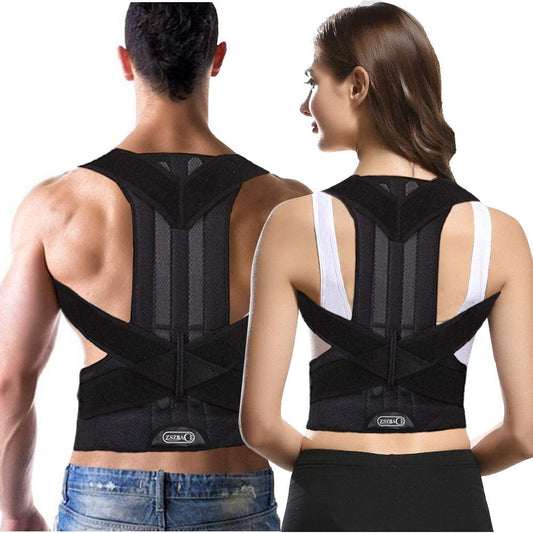
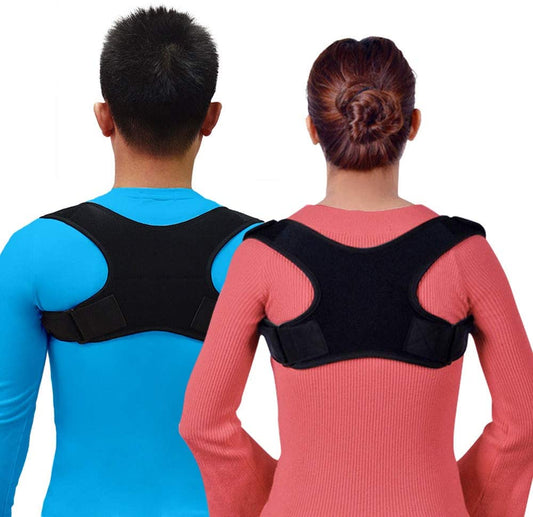
If you want more support around the upper and mid back along with posture help, a Posture Corrector Back Brace may be a better fit than a simple waist belt.

Product pick for posture-focused training support
Posture Corrector Back Brace for Upper and Lower Back Support
Adjustable back brace for posture support and upper/lower back comfort.
Why it may help: Good match for readers who want broader back coverage and posture support for gym sessions, desk work, and daily wear.
Signs a brace may be a good fit for your routine
A back support belt may be worth considering if you regularly notice:
- Your form breaks down as you fatigue
- You feel like you need more awareness of your posture during training
- Your lower back feels strained during certain exercises
- You want extra support during a return to activity
- You need something adjustable enough to use across work, walking, and workouts
That said, a brace is not a substitute for good exercise technique, recovery, or load management. It is best thought of as a support tool—not a fix-all.
Common mistakes people make when choosing a sports back brace
- Choosing the most rigid option first: More support is not always better for every activity.
- Ignoring movement type: A brace that works for standing or desk use may not feel right for running or boxing.
- Buying based on appearance alone: Fit, adjustability, and coverage matter more than color or style.
- Using it for everything: Some people only need support during certain workouts, not all day.
- Expecting instant correction: A brace can support better positioning, but habits, strength, and mobility still matter.
If your workouts involve more impact and repetitive movement, you may also want to explore options built around lower back support for running, especially if jogging or treadmill sessions are when discomfort tends to show up.
How to choose the right back support belt for fitness use
Use these questions to narrow your options:
-
Where do I want support most?
Upper back and posture, or lower back and lumbar compression? -
What kind of movement am I doing?
Walking, lifting, treadmill work, circuit training, or general daily wear? -
Do I need all-day wear or workout-only support?
A lighter, breathable option may be easier for longer wear. -
Do I want flexibility or firmer compression?
Some people prefer gentle posture cueing; others want a more secure wraparound feel.
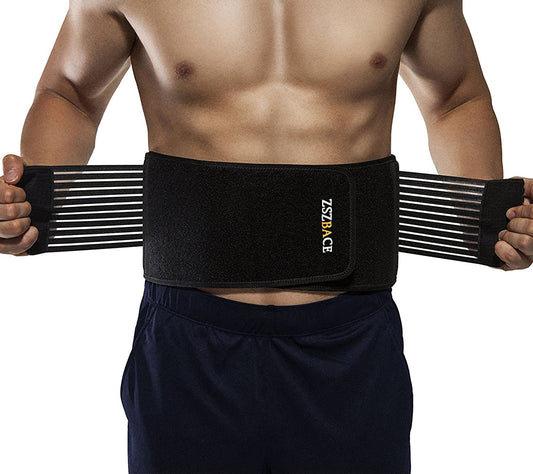
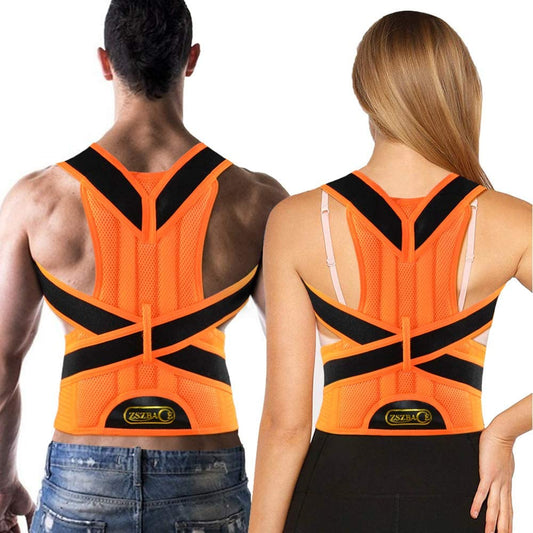
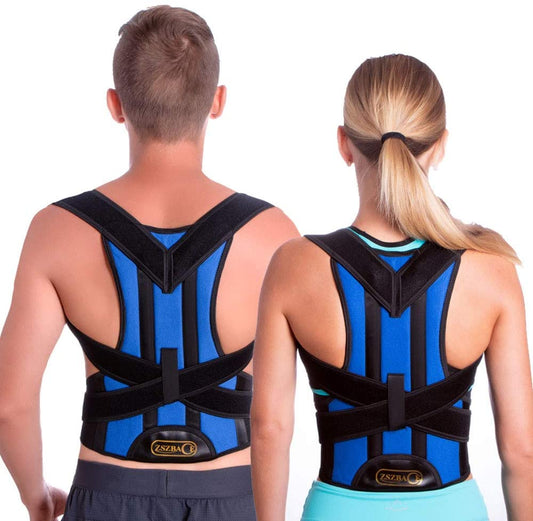
If your main need is lower back compression for exercise and daily activity, an Adjustable Back Brace with dual pull straps may be more practical than a full-back posture brace.

Product pick for lower back training support
ZszbACE Stabilizing Lumbar Lower Back Brace Support Belt with Dual Adjustable Straps
A breathable lower back support belt with dual adjustable straps for customizable lumbar compression.
Why it may help: Useful for readers who want a workout-friendly lumbar belt with a wraparound design and adjustable tension.
Helpful next step if you are still comparing options
If you are still deciding between posture support and lumbar-only support, start with the broader back support belt collection. It gives you a better overview of different brace styles, support levels, and use cases without locking you into one format too early.
Related reading
If you want to learn more before choosing, these guides may help:
- Why Athletes Should Wear Sports Straps
- Sports belts: uses, benefits and how they work
- Lower Back Brace for Pain Relief - Adjustable Back Support Belt for Lifting Work / Lumbar Support
FAQ
Are there back support belts designed specifically for athletes or fitness enthusiasts?
Yes. Some back support belts are better suited to active use because they focus on adjustability, secure fit, breathability, and support during movement. The right choice depends on whether you need posture support, lumbar compression, or both.
Can you wear a back support belt while running or doing cardio?
Some people do, especially when they want extra lower back support during treadmill work, walking, or light cardio. The key is choosing a brace that feels secure and does not shift or feel too bulky during movement.
Is a posture corrector the same as a workout back brace?
No. A posture corrector usually supports the upper or mid back and helps with shoulder positioning, while a workout-oriented lumbar brace is more focused on compression and stability around the lower back and waist.
Should athletes wear a back brace all day?
Not necessarily. Many people use a brace only during certain workouts, after long periods of sitting, or during activities that tend to aggravate their back. Comfort, fit, and intended use all matter.
What should I look for in a fitness back support belt?
Look for adjustability, breathable materials, a secure closure, and support that matches your activity. Runners and gym users often prefer something that stays in place without restricting movement too much.