
How Long Should You Wear a Lumbar Back Brace Each Day?
If you're asking, “How long should I wear a back brace each day?” the honest answer is: it depends on why you're wearing it.
For general lower back discomfort, posture support, or daily activities that strain your back, a lumbar brace is usually most helpful as a short-term support tool, not something to wear nonstop forever. Many people wear a brace during the parts of the day that put the most stress on their back, such as working, standing for long periods, driving, or light lifting.
If your brace was prescribed after surgery, injury, or for a more specific spinal condition, follow your clinician's instructions first. In those cases, wear time can be much longer than it is for everyday support.
Can you wear a back brace all day?
You might wear a back brace for much of the day in some situations, but that does not mean all-day wear is ideal for everyone.
For non-prescription everyday use, wearing a brace all day can create a few problems:
- Your skin can get irritated from heat, sweat, and friction.
- You may start relying on the brace instead of improving movement habits and core support.
- A brace that is too tight or worn too long can become uncomfortable.
That is why many people do better using a brace during the activities that trigger pain rather than from morning to bedtime.
If your main goal is support during work, errands, sitting, or standing, you may want to browse lower back brace options designed for everyday lumbar support.
How long should you wear a lumbar back brace during the day?
A practical way to think about brace wear is by use case:
1. For occasional lower back pain or strain
Wear it during the activity that usually makes your back feel worse, such as commuting, desk work, long periods of standing, or light chores. If symptoms improve, take it off and let your skin and muscles rest.
2. For work use
If you are wondering, “Can I wear a back brace all day at work?” the better question is whether you need it for the entire shift or only for the most demanding tasks. Many people benefit from wearing a brace during lifting, prolonged standing, or repetitive movements, then loosening or removing it during breaks if appropriate.
3. For posture support
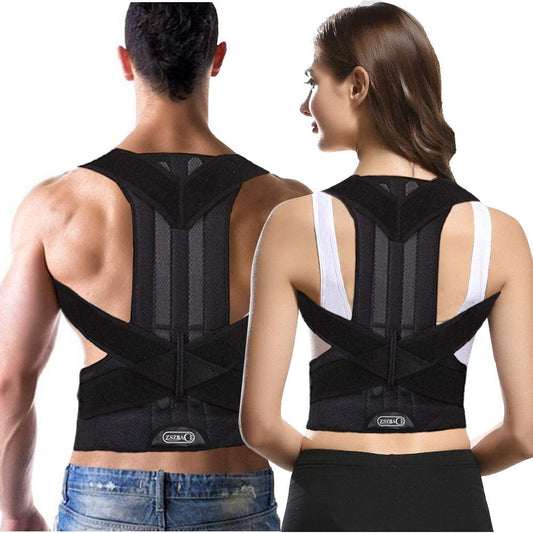
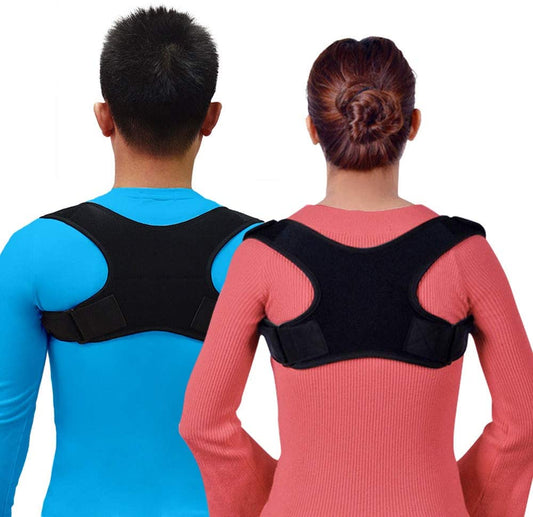
A brace can act as a reminder to avoid slouching, but it should not be your only strategy. Posture habits, workstation setup, and movement breaks matter too. If posture is your main concern, see our guide on how long to wear a posture corrector.
4. After surgery or injury
This is the situation where people may be told to wear a brace much longer, sometimes for most of the day except bathing or skin checks. But that schedule should come from your surgeon or healthcare provider, not from a generic rule online.
When wearing longer may make sense
There are situations where a brace may be recommended for extended wear, including recovery after surgery, certain fractures, or spinal instability. In those cases, the brace is being used for a more specific purpose than general comfort.
If your situation involves a fracture, you may also find it helpful to read how long to wear a back brace for a compression fracture.
Signs you may be wearing your brace too much
Even a helpful brace can become unhelpful if you overdo it. Watch for these signs:
- Skin redness that does not fade reasonably soon after removal
- Rash, itching, or rubbing
- Feeling like you cannot function without the brace for routine tasks
- Increased discomfort from a brace that is too tight or shifts during movement
- Using the brace to push through pain that should be evaluated
If any of those happen, reduce wear time and reassess fit. If symptoms are significant or worsening, ask a healthcare professional.

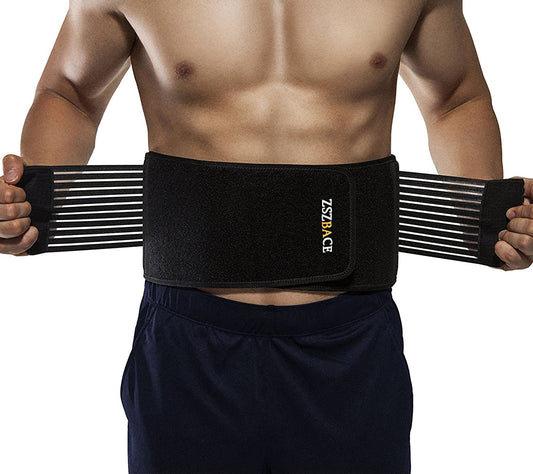
Lumbar Back Support Brace
Adjustable lumbar support brace with a low-profile fit for everyday lower back support.
Why it may help: a wraparound design can be useful when you want targeted support during sitting, standing, or light daily activity rather than bulky full-torso bracing.
Should you sleep in a lumbar back brace?
In most everyday support situations, people should not automatically sleep in a lumbar brace unless a clinician specifically tells them to. Sleeping in a brace can increase heat, pressure, and skin irritation, and not every brace is designed for overnight wear.
If you were given a brace for a post-surgical or injury-related reason, ask the prescribing clinician whether nighttime wear is part of your plan.
How to wear a back brace safely
A brace works best when it is worn correctly and used for a clear reason.
- Wear it snugly, but not so tight that it pinches, restricts breathing, or causes numbness.
- Use a thin layer of clothing underneath if that improves comfort and reduces friction.
- Check your skin regularly, especially if you wear it for long periods.
- Take breaks when appropriate.
- Use the brace alongside movement, posture awareness, and professional guidance when needed.
For more day-to-day advice, read these tips for wearing a back brace.
Choosing the right type of support
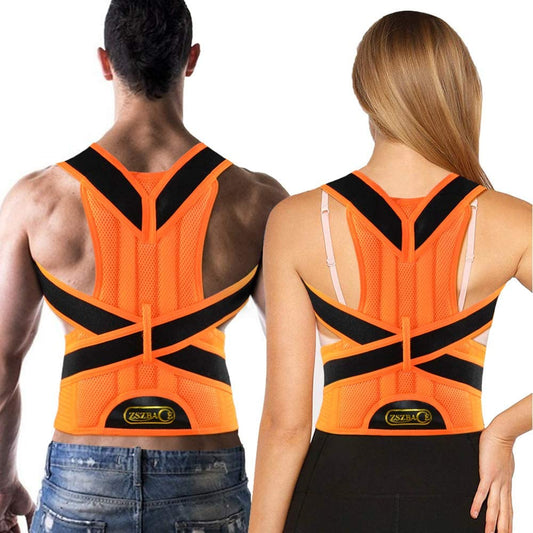
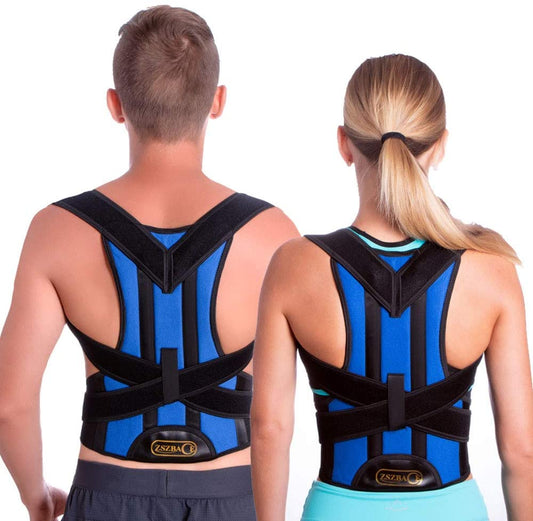
The best brace for daily wear is usually the one that matches your actual need. A low-profile lumbar belt may be enough for mild support during work or sitting. A more structured option may make more sense if you want firmer compression and stability.

Lower Back Support Belt
Breathable lumbar support belt with compression for lower back and waist support.
Why it may help: a lightweight design may be a better fit for people who want support during the day without a bulky feel.
If you want to compare styles before choosing, explore the lumbar support collection for different levels of everyday support.
Bottom line
For most people using a lumbar brace for general lower back pain, posture reminders, or activity-related support, the goal is not to wear it all day every day forever. Use it when it helps most, avoid overreliance, watch your skin, and follow medical guidance when the brace is part of injury or post-surgical care.
If you need a practical next step, you can shop lower back braces for daily support or continue learning with our article on using a lower back brace for work and lifting.
FAQ
Can I wear a back brace all day?
You can sometimes wear one for much of the day, but for everyday lower back support it is often better to use it during activities that trigger pain rather than nonstop. All-day wear may increase skin irritation and overreliance.
How long should I wear a back brace for lower back pain?
There is no single number that fits everyone. For general lower back pain, many people wear a brace during work, standing, driving, or other painful activities, then remove it when it is no longer needed.
Can I wear a back brace all day at work?
Sometimes, but it depends on your job, comfort, and why you need it. If possible, use it during the most demanding parts of your shift and pay attention to fit, heat, and skin comfort.
Should I sleep with my lumbar brace on?
Usually not unless a clinician specifically instructs you to do so. Overnight wear is more likely to apply in post-surgical or injury-related cases.
What if my back hurts more when I remove the brace?
That can be a sign that you are depending on it too heavily, that the fit is wrong, or that your underlying issue needs more evaluation. If pain is increasing or persistent, seek medical advice.