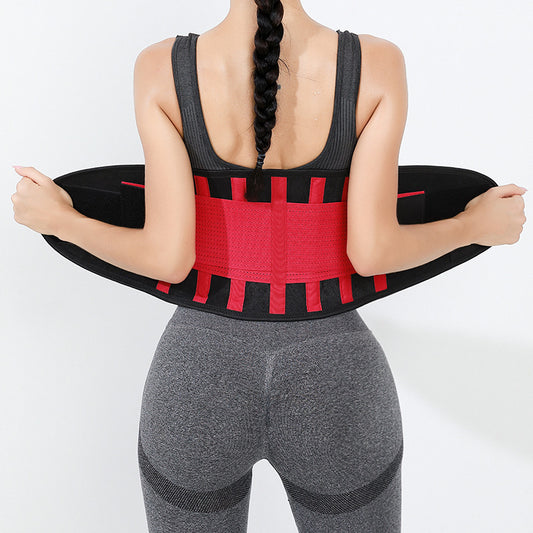
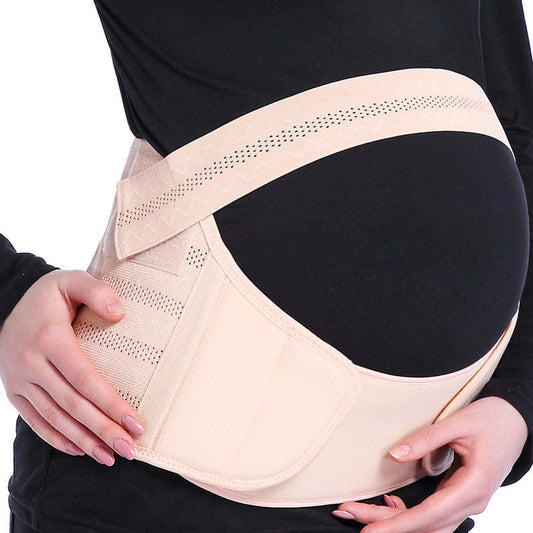
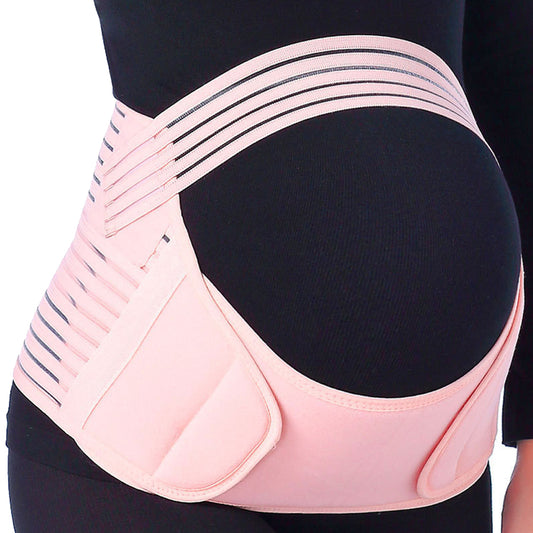
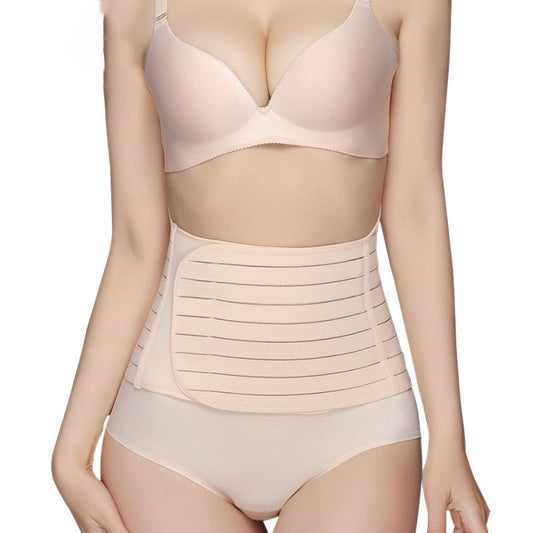
If you are searching for a back brace for anterior pelvic tilt, you are usually looking for more than just “support.” Most shoppers want a brace or belt that helps with posture awareness, feels comfortable enough for daily wear, and matches where they need help most: upper back posture, lower back support, or a more all-around posture corrector fit.
This collection brings together brace options that can work well for shoppers comparing an anterior pelvic tilt brace, pelvic tilt brace, or anterior pelvic tilt correction belt. While anterior pelvic tilt often involves the pelvis, hips, and lower back, many people also benefit from upper-back posture support because shoulder position and trunk alignment can influence overall posture habits.
If your main issue is a deeper lower-back arch or posture-related lumbar strain, you may also want to browse our hyperlordosis back brace collection or our lower back brace for posture collection for adjacent options.
How to choose a brace for anterior pelvic tilt
The best choice depends on how you plan to use it:
-
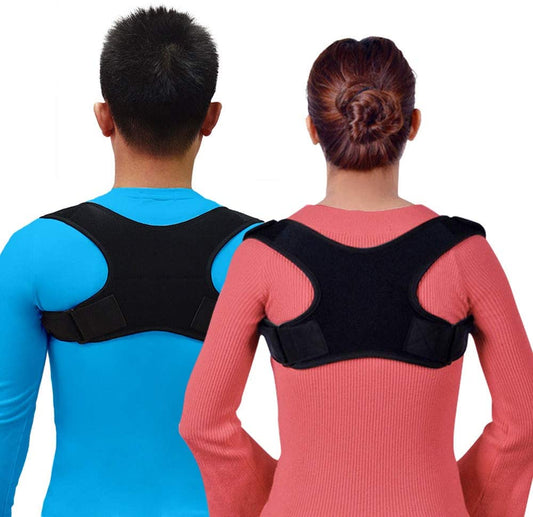
For daily posture reminders: choose a lighter upper-back posture brace that encourages shoulder and chest positioning without feeling bulky.
-
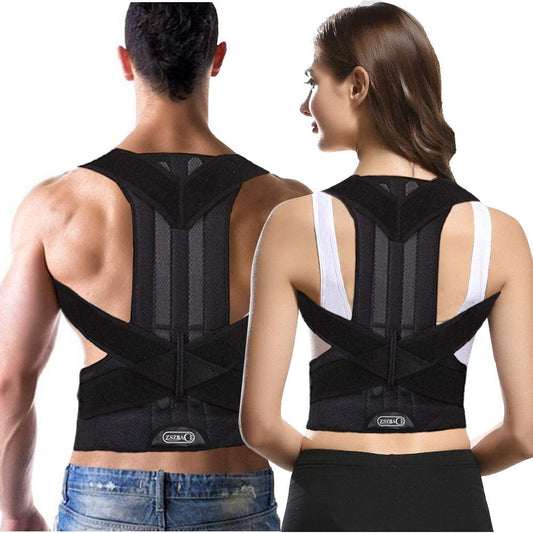
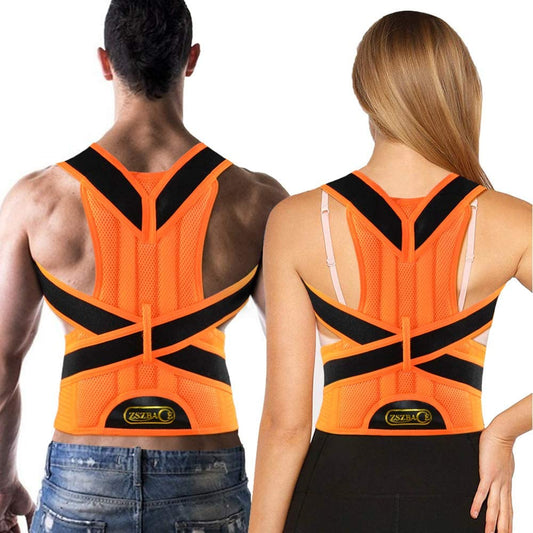
For more complete posture support: choose a wrap-style posture corrector with shoulder straps and a waist section for a more anchored fit.
-
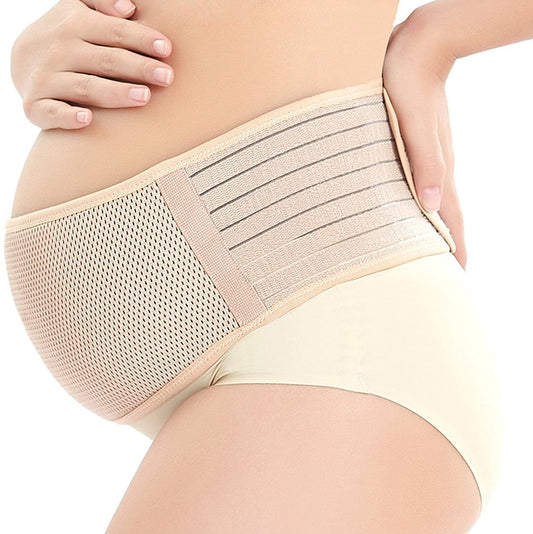
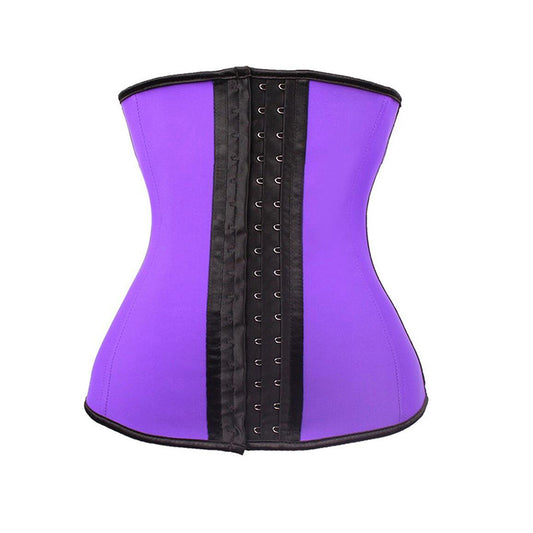
For lower-back focused support: choose a back support belt if you want adjustable compression around the lumbar area during work, sitting, or daily routines.
-
For under-clothing wear: choose a slimmer profile brace designed for discreet everyday use.
If you are still comparing posture-correction styles in general, see our posture corrector brace back support collection for broader options.
Shop by need
1. Best for everyday posture awareness
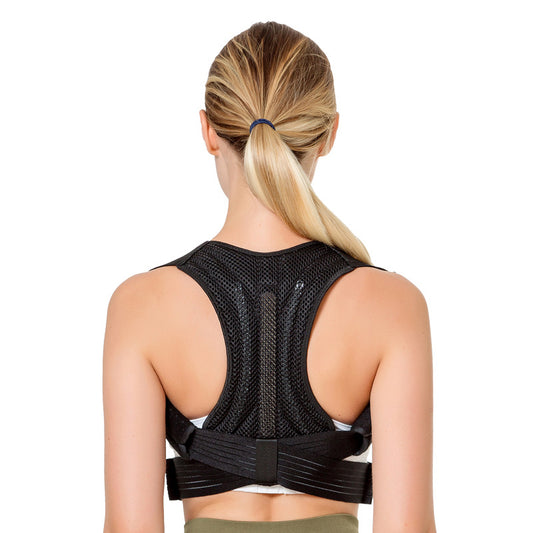
If your goal is to reduce slouching and build better posture habits during desk work or daily movement, an upper-back posture brace is often the easiest starting point. These designs are usually lighter, simpler to adjust, and better for shoppers who want gentle posture cueing rather than a heavier wrap.
A strong option here is the Upper Back Posture Brace, which offers adjustable upper back and shoulder support for everyday posture help. Another good match is the Upper Back Posture Brace for shoppers who want posture support and shoulder alignment in a daily-wear design.
2. Best for fuller posture-corrector coverage
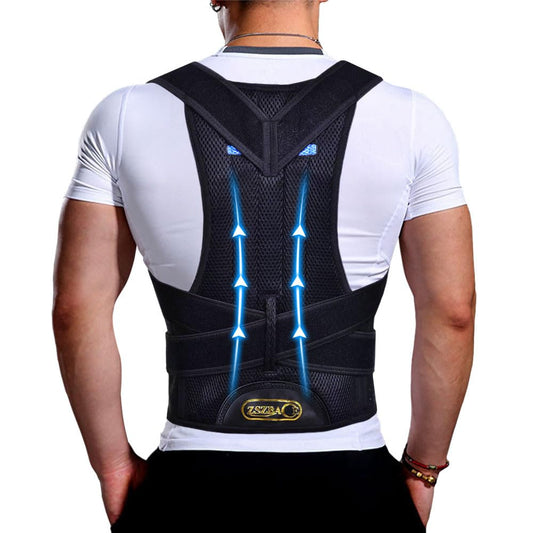
If anterior pelvic tilt feels tied to your overall standing posture, not just one sore spot, a fuller posture corrector may make more sense. These braces combine shoulder support with a waist or wraparound structure, which can feel more secure for longer periods of wear and for shoppers who want more whole-torso posture support.
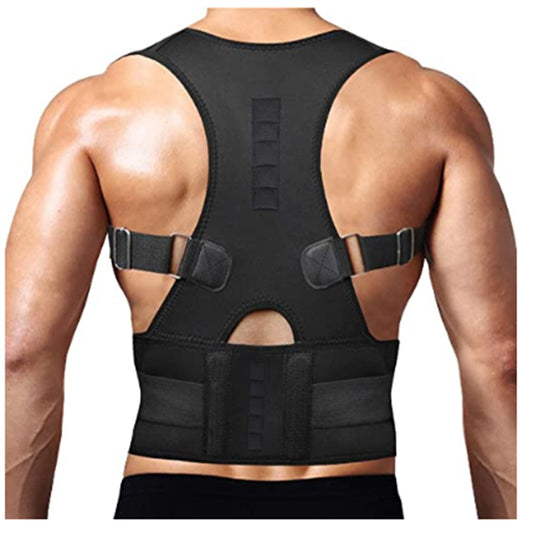
The Posture Corrector Back Brace is a practical choice for shoppers who want adjustable shoulder straps and back alignment support. You can also compare the Back Posture Corrector, a breathable wraparound option designed for everyday posture support.
3. Best for lower-back support during work or sitting
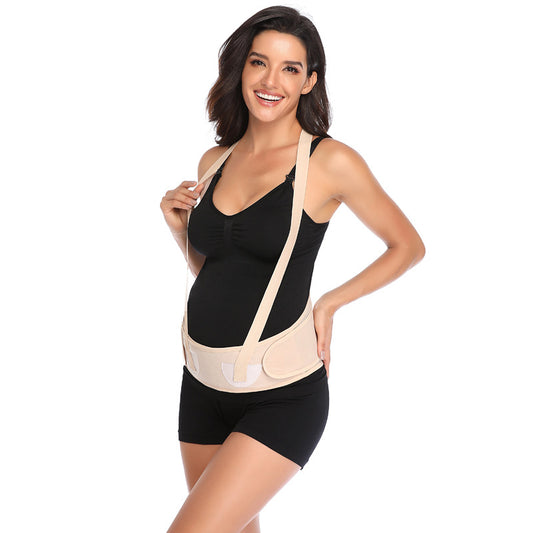
Some shoppers searching for a pelvic tilt correction brace are mainly trying to manage lower-back fatigue from long hours sitting, standing, or moving around at work. In that case, a lower-back support belt may be the better fit than an upper-back posture trainer.
The Adjustable Back Support Belt is a low-profile option with adjustable compression and lumbar-focused support. If you want to learn more about when a support belt may be useful for daily tasks, read this guide to lower back braces and adjustable support belts.
4. Best for discreet wear under clothing
If you want a brace you can wear during work, errands, or normal daily routines without a bulky feel, look for a slimmer posture brace with a low-profile shape.
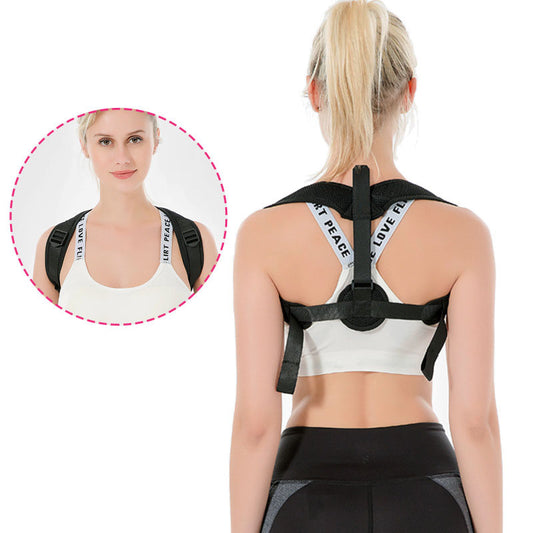
The Adjustable Posture Brace is a slim, adjustable option designed to support upright shoulders and upper-back alignment. The Clavicle Posture Brace is another good option for shoppers who want upper-back and shoulder support in an everyday-wear design.
Recommended brace styles in this collection
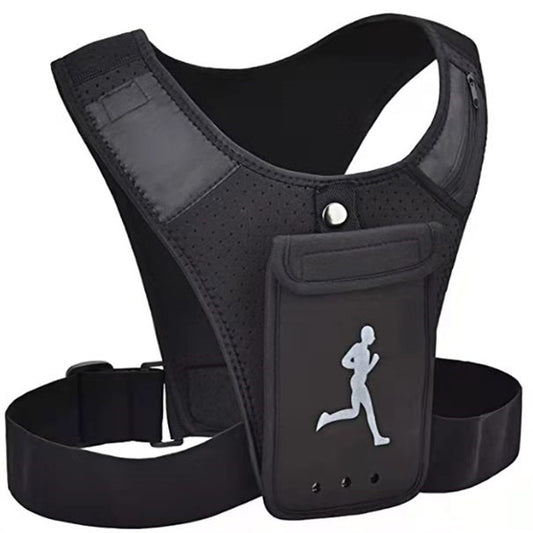
Adjustable upper back and shoulder support for everyday posture help. A smart pick for shoppers who want a straightforward posture reminder for work, light activity, or daily wear.
Adjustable back brace with shoulder straps for posture support and back alignment. Best for shoppers who want a more anchored posture-corrector feel than a minimal strap-only brace.
Low-profile adjustable back brace for lower back support and posture help. A useful choice if your main priority is lumbar support during sitting, work, or everyday activity.
A slim, adjustable posture brace designed to support upright shoulders and upper-back alignment. Good for shoppers who want a lighter profile that may feel easier to wear under clothing.
Adjustable upper back brace with clavicle support for everyday posture support. Ideal for shoppers focused on shoulder positioning and upper-back posture awareness.
Helpful reading before you choose
Not sure whether you need an upper-back posture corrector or a more supportive back brace? Start with this back brace posture corrector guide for a broader look at brace types and daily-use considerations. If you are shopping for a male user, you can also review this guide to back braces for men.
Frequently asked questions
Can a back brace help with anterior pelvic tilt?
A back brace can help support posture awareness and provide back support during daily activities. Many shoppers use an anterior pelvic tilt brace as part of a broader posture routine, especially when they want extra support while working, standing, or sitting for long periods.
What is the best brace for anterior pelvic tilt?
The best brace for anterior pelvic tilt depends on what you want most from it. For lighter daily posture cueing, an upper-back posture brace may be enough. For more all-around support, a wrap-style posture corrector may feel more secure. For lower-back strain during work or sitting, a support belt may be the better option.
Is a pelvic tilt brace the same as a posture corrector?
Not always. Some shoppers use the terms interchangeably, but product styles can differ. A posture corrector usually focuses more on upper-back and shoulder positioning, while a support belt may focus more on lumbar compression and lower-back support.
How long should I wear a posture brace each day?
That depends on your comfort, routine, and the style of brace you choose. Many shoppers start with shorter wear periods and adjust from there. For general brace education and selection help, our linked guides above can help you compare styles before buying.
Which brace is better for sitting at a desk?
If desk work causes slouching, an upper-back posture brace can be a good fit. If sitting mainly causes lower-back fatigue, a lower-back support belt may be the better choice.